Rotary Kiln Deep Dive: ZK MACHINE Company Analysis
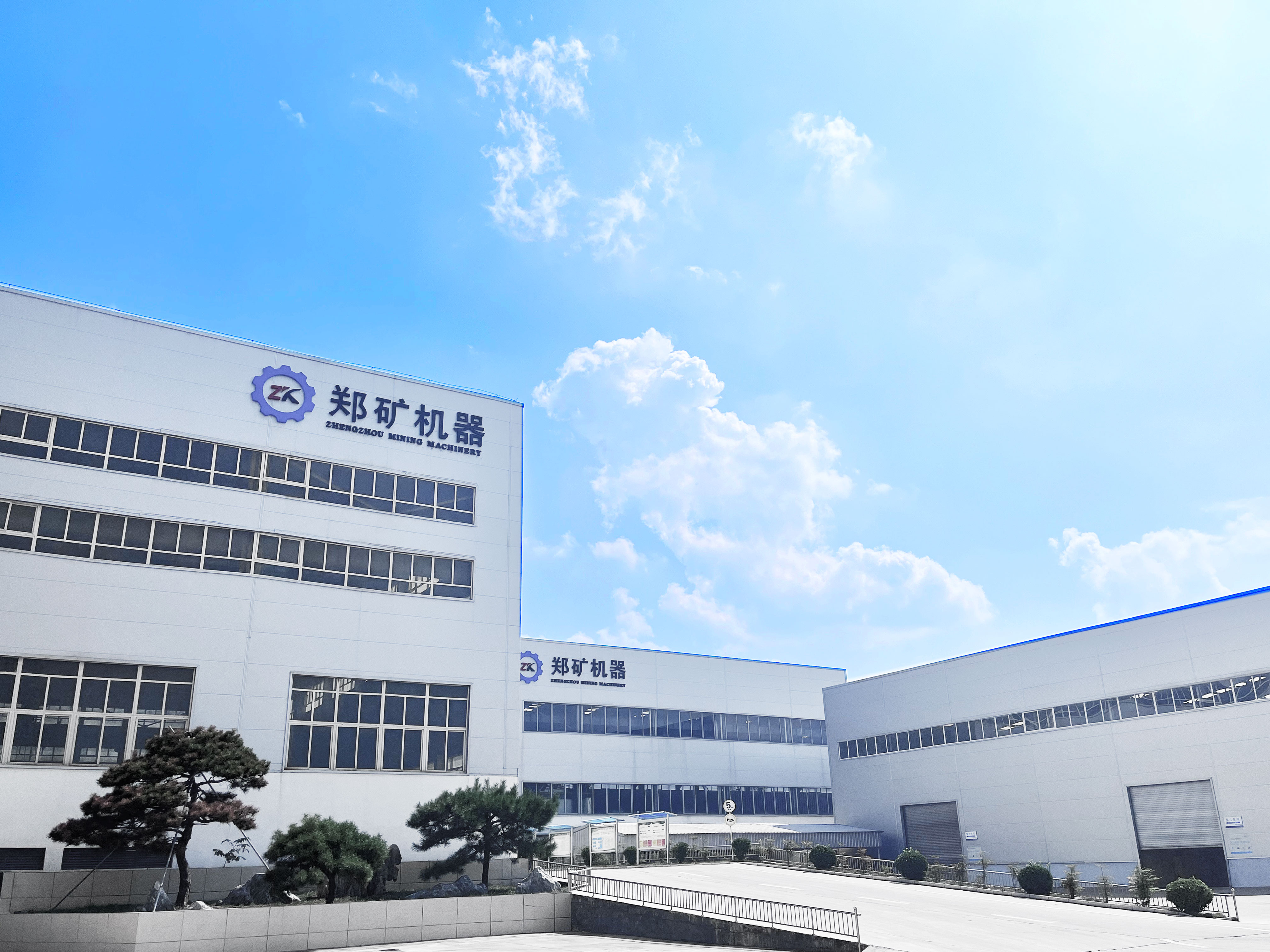
Henan Zhengzhou Mining Machinery Co., Ltd. (ZK MACHINE) is a rotary kiln and ball mill manufacturer founded in 1956 and headquartered in Zhengzhou, China. The company operates an 80,000 m² manufacturing site, employs 235 people, and reports a technical team of 10 doctors, 5 senior engineers and 16 intermediate engineers. Its supply record covers customers in more than 130 countries and regions, with an export share of roughly 40%. Its rotary kiln portfolio spans lime, cement and clinker, magnesium, magnesite, dolomite, zinc oxide, LECA, bauxite, kaolin, lithium-bearing materials and fracturing proppant applications.
What a Rotary Kiln Is — and Why Supplier Choice Is the Harder Question
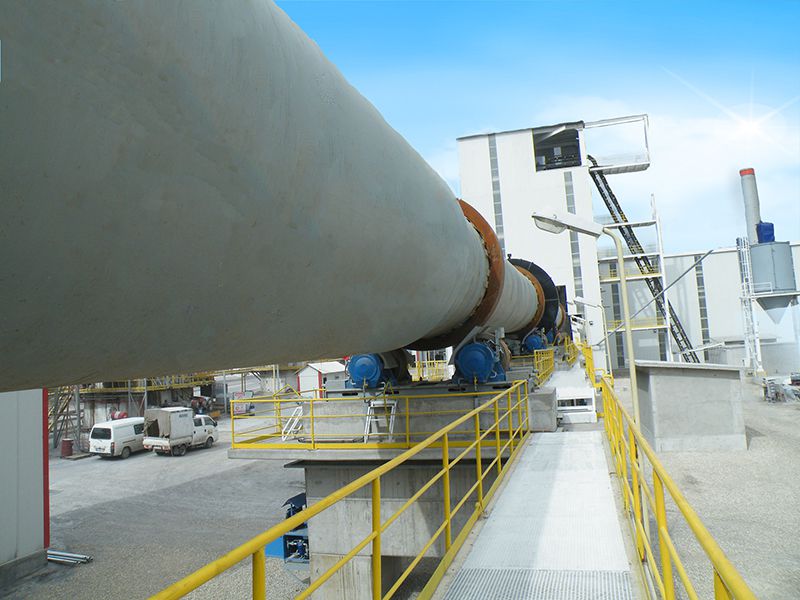
A rotary kiln is a continuous industrial furnace used for the thermal processing of minerals, ores and industrial materials. Its core functions are calcination, roasting, decomposition, drying and sintering, and it typically operates at temperatures ranging from a few hundred degrees Celsius to above 1,000°C.
In practice, buyers rarely purchase a rotary kiln as a standalone machine. A working installation usually combines the kiln itself with feeding equipment, burners, preheaters, coolers, dust collectors, conveying systems and automated controls. That system-level reality is why supplier evaluation tends to hinge on process engineering capability as much as on equipment fabrication.
Engineering and procurement teams researching rotary kilns usually run into the same set of questions:
- Which kiln type and specification fit the target material?
- How should fuel flexibility, heat recovery and thermal efficiency be balanced against capital cost?
- Who integrates the kiln with upstream feeding and downstream cooling and dedusting?
- What happens to technical support once the equipment is commissioned?
This analysis addresses those questions through the lens of one established supplier, based entirely on published company information and publicly available third-party data.
Industry Background: What Is Shaping Rotary Kiln Demand
Rotary kilns sit inside several industrial value chains at once. According to a commercial market research report by Dataintelo, the global rotary kiln market was valued at approximately USD 3.8 billion in 2025 and is projected to reach USD 6.1 billion by 2034. The same source estimates that cement kilns accounted for roughly 62% of the market in 2025, followed by metallurgy at 24% and lime at 14%.
On the supply side, the World Cement Association reports that China’s total cement clinker production capacity stood at approximately 2.1 billion tons as of 2024, with an average kiln utilization rate of approximately 57%. Persistent capacity utilization pressure in the cement segment has been widely associated with a shift of Chinese kiln makers toward export markets and toward higher-growth niches such as metallurgy, lime and battery minerals.
On the demand side, a second structural driver is emerging from the energy transition. The World Trade Organization identifies cobalt, copper, lithium, nickel and rare earths as critical minerals that play a crucial role in the production of clean energy. The U.S. Department of Energy publishes definitions and a current list of critical materials and critical minerals, and the International Energy Agency maintains a Critical Minerals Data Explorer covering total demand and supply for copper, cobalt, lithium, nickel, graphite and rare earth elements.
The U.S. Congressional Research Service characterises the mining and processing of critical minerals for manufacturing as an energy-intensive and highly technical process that requires substantial space. High-temperature thermal processing equipment — of which rotary kilns are a major category — sits directly inside that process step.
Company Overview: Henan Zhengzhou Mining Machinery Co., Ltd.
Henan Zhengzhou Mining Machinery Co., Ltd. was founded in 1956 in Zhengzhou, China. Over the decades since, the company has moved from machinery manufacturing into an integrated role covering R&D, process engineering, equipment manufacturing, installation, commissioning and technical services. It serves industries including building materials, mining, metallurgy, environmental protection and related fields.
Key corporate facts
| Attribute | Details |
|---|---|
| Legal name | Henan Zhengzhou Mining Machinery Co., Ltd. |
| Brand name | ZK MACHINE |
| Founded | 1956 |
| Headquarters | Zhengzhou, China |
| Factory site | Qiaolou Caizhai Industrial Estate, Xingyang, Zhengzhou, China |
| Site area | More than 80,000 m² (over 60,000 m² of workshop space, over 5,000 m² of office space) |
| Employees | 235 |
| Annual output | 200 units |
| R&D team | 10 doctors, 5 senior engineers, 16 intermediate engineers |
| Core products | Ball mill, rotary kiln |
| Export ratio | Approximately 40% |
| Website | www.zkcomp.com |
The company’s declared main process systems fall into five fields: New Energy, New Material, Environmental Protection, Metallurgical & Chemical, and Building Materials. Its stated customer footprint covers more than 130 countries and regions, with international business spanning the Middle East, Southeast Asia, Africa, Russia, Kazakhstan, South Korea, the United States, Canada, Japan, the United Kingdom, Saudi Arabia, Vietnam, Thailand, Indonesia, Malaysia, Nepal, Bangladesh, Mexico, Turkey, Iran, India, Mongolia and South America.
Its stated export markets include Saudi Arabia, the United Arab Emirates, Qatar, Bahrain, Kuwait, Oman, Iraq, Syria, Lebanon, Jordan, Israel, Yemen, Egypt, Libya, Algeria, Iran, Turkey, Russia, Kazakhstan, Armenia, Thailand, Indonesia, Malaysia, Tanzania, Zambia and South Africa.
Core Products and Solutions
ZK MACHINE’s equipment portfolio includes rotary kilns, ball mills, vertical preheaters, single-drum coolers, vertical coolers, dryers, granulators, feeders, dust collectors, bucket elevators, crushers, magnetic separators, flotation machines, classifiers and other auxiliary and process equipment. Rotary kilns and ball mills are positioned as the core equipment in many of the company’s production systems.
Rotary kiln product range
Rotary kiln solutions cover applications including lime, cement and clinker, magnesium, magnesite, dolomite, zinc oxide, LECA, bauxite, kaolin, lithium-bearing materials and fracturing proppants. The company also supplies pilot rotary kilns and indirect-fired rotary kiln solutions for specialised applications.
| Product | Model range | Key specifications | Primary applications |
|---|---|---|---|
| Lime Rotary Kiln | Φ2.5×40 m – Φ5.1×72 m | 150–1200 t/d; calcination temperature 1100±50°C; limestone feed size 10–20 mm / 20–40 mm | Active lime production, steelmaking, non-ferrous metallurgy, building materials, chemical industry |
| Cement Rotary Kiln | Φ2.5×40 m – Φ4.3×60 m | Approx. 180–3200 t/d; kiln slope approx. 3–4%; continuous high-temperature clinker production | Cement plants, cement clinker production, building materials |
| Magnesium Rotary Kiln | Ø1.6×32 m – Ø4.0×80 m | Approx. 2–20 t/h; kiln slope approx. 3.5–4%; dolomite as applicable material | Magnesium ingot production via high-temperature dolomite calcination |
| Zinc Oxide Rotary Kiln (Waelz Kiln) | Ø2.5×40 m – Ø4.5×72 m | Approx. 2–20 t/h; handles zinc ash and electric arc furnace dust (EAF dust / EAFD) | Zinc recovery, zinc oxide production, industrial waste recycling |
| Acid Roasting Rotary Kiln | φ0.8×10 m – φ5.4×56 m | Rotary kiln diameter Φ1–Φ5.5 m; calcination temperature 200–350°C | Acid roasting of lithium concentrates such as spodumene and amblygonite |
| Indirect-Fired Rotary Kiln | Customized | Maximum temperature 1000°C; temperature control accuracy ≤ ±2–5°C; kiln type customized on demand | Lithium battery materials, activated carbon, zinc oxide, rare earth materials, non-ferrous metals |
| Rotary Kiln (general line) | Φ1.6×32 m – Φ4.7×72 m | 48–1000 t/d; fuels include pulverised coal, natural gas, industrial gases, diesel, heavy oil and biomass; direct-fired and selected indirect-fired configurations | Lime, cement clinker, metallurgy, chemical processing, refractories, environmental protection, new energy materials |
Technical features by product family
Lime rotary kiln: Designed for continuous quicklime production with uniform calcination and controlled lime activity. Reported selling points include efficient heat utilisation, flexible fuel options, vertical preheater integration, vertical cooler integration and reduced heat loss. The lime rotary kiln forms part of complete lime production line solutions.
Cement rotary kiln: Built for continuous clinker calcination with stable high-temperature operation and controlled material residence time. The kiln inlet and outlet design is optimised to improve material flow and reduce dust leakage and return-material issues. It is compatible with preheaters, coolers and dust collection systems and is suitable for different cement plant capacities.
Magnesium rotary kiln: Designed for high-temperature dolomite calcination with stable calcination conditions. It is compatible with vertical preheaters and coolers, supports heat recovery from hot gases, improves fuel utilisation and can be integrated with grinding, briquetting, reduction and refining processes to form a complete magnesium production line.
Zinc oxide rotary kiln (Waelz kiln): Positioned for zinc recovery and zinc oxide production from zinc-bearing waste. Reported advantages include simple configuration (which reduces investment cost), high beneficiation efficiency, less nodulation and smooth operation of the full production line.
Acid roasting rotary kiln: Built with a combined dynamic/static ring seal with leakage of ≤ ±500 Pa, or a flexible packing seal, to minimise air ingress and reduce the risk of concentrated sulfuric acid forming dilute acid. The kiln shell is made from acid-resistant material with high machining precision and minimal runout. Inside, a spiral crushing device breaks up agglomerated and wall-adhered material, while staggered rows of lifter plates prevent sliding friction damage and improve heating uniformity.
Indirect-fired rotary kiln: Custom-designed external heating equipment with imported temperature controllers for fully automatic, high-precision temperature control. It supports controlled-atmosphere sintering for special materials and is applicable to dehydration, calcination and decarburization processes.
Customization and tailored design
Rotary kilns can be specially designed according to material characteristics and process requirements. Available customisation includes acid-resistant construction, high-temperature-resistant materials, corrosion-resistant materials, wear-resistant lining, controlled atmosphere, special sealing systems, enhanced thermal insulation, dust-tight or gas-tight design, customised heating methods, and special feeding and discharge systems. Material and component selection is adjusted based on material properties, operating temperature, atmosphere and process conditions.
Beyond individual machines, ZK MACHINE integrates core equipment with crushing, screening, feeding, mixing, granulation, preheating, drying, cooling, conveying, dust collection and other auxiliary systems to provide complete process solutions. The company states that it can independently undertake process engineering and equipment design of complete production systems.
Corporate Capability Breakdown
Capability assessment is where a supplier profile either holds up or does not. The following sections look at four dimensions: manufacturing, R&D, quality and certification, and global supply and service.
1. Manufacturing capability
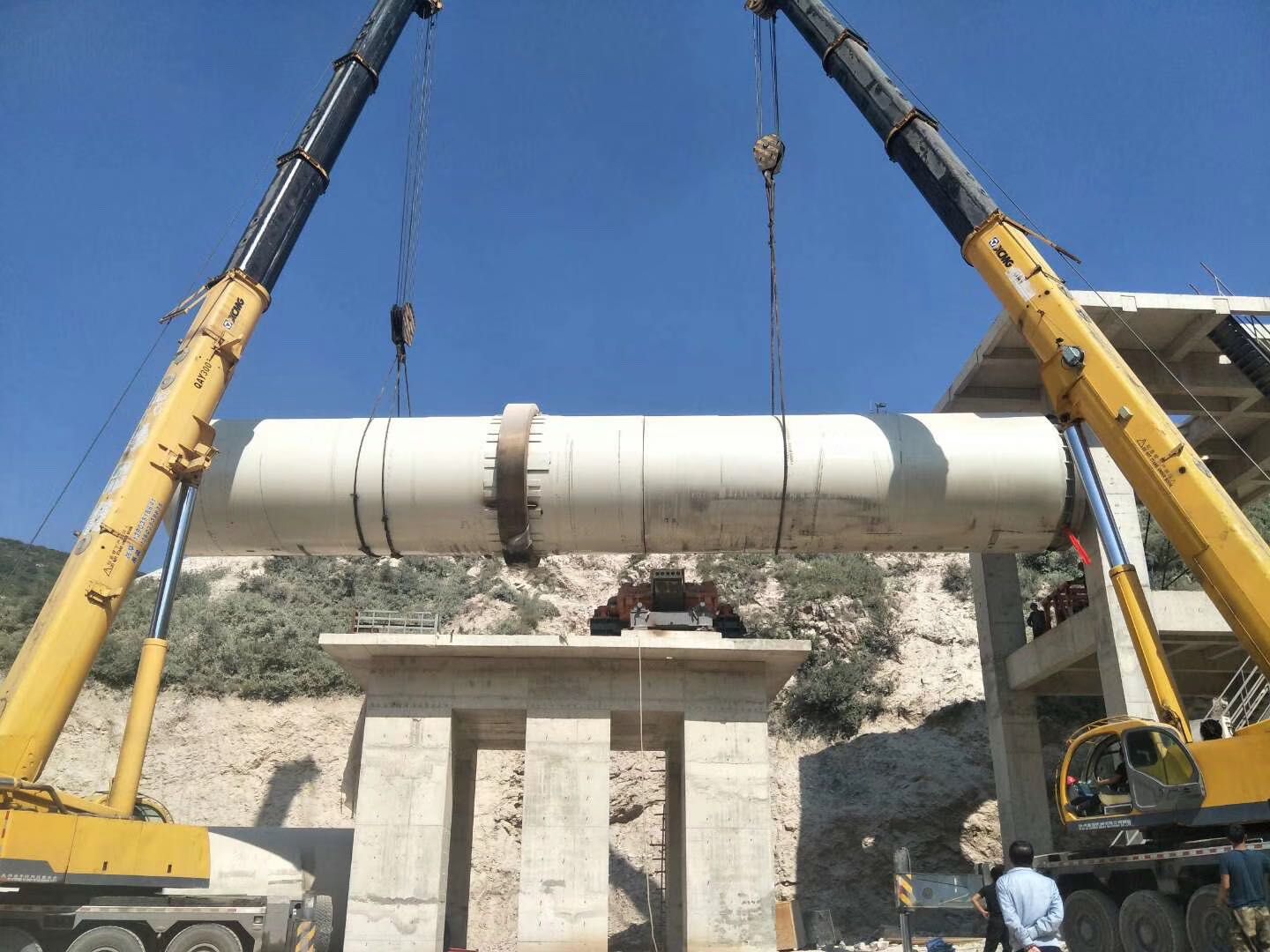
The ZK MACHINE facility is located in Qiaolou Caizhai Industrial Zone, West 5th Ring Road, Zhengzhou, and covers more than 80,000 m², including over 60,000 m² of workshop space and more than 5,000 m² of office space. The plant includes 8 modern workshops and 5 heavy-duty workshops and is equipped with large-scale machining and lifting equipment, including boring and milling machines, gear hobbing machines, vertical lathes and heavy-duty cranes.
With more than 300 sets of manufacturing equipment, the company states it can independently manufacture medium- and large-scale equipment and complete process systems. Reported annual output is 200 units.
The company also operates its own process testing workshop and a testing and analysis centre, supporting pilot testing and process data analysis for solid waste and hazardous waste treatment, building materials, metallurgical materials and other applications. This enables process packages, equipment solutions and engineering support that help customers validate process concepts before committing to full-scale industrial projects.
2. Research and development
ZK MACHINE’s R&D capabilities include the Zhengzhou Municipal Enterprise Technology Center and the Industrial Solid Waste Disposal Equipment Engineering Technology Research Center, supported by a multidisciplinary technical team ranging from university graduates and technicians to senior engineers and researchers. The core R&D team comprises 10 doctors, 5 senior engineers and 16 intermediate engineers.
The company reports participating in the development and drafting of more than 10 industry standards and holds more than 150 core patents and over 20 software copyrights. Independently harvested data (ZK Corp official profile via SRC-0003) additionally cites 87 technical patents obtained between 2014 and 2022, including 22 invention patents.
Development focus areas include optimisation and upgrading of traditional industrial processes and equipment, solid waste and hazardous waste treatment, resource recovery, thermal processing, grinding, and new energy materials.
3. Quality and certification
ZK MACHINE holds the following management system certifications and qualifications:
- ISO 14001 Environmental Management System Certification
- ISO 9001 Quality Management System Certification
- ISO 45001 Occupational Health and Safety Management System Certification
- Integration Management System Certification
- Environmental Protection Engineering Professional Contracting Qualification
The company has also received honours and recognitions including High-Tech Enterprise of Henan Province and Specialized and Innovative Enterprise.
On CE conformity, ZK MACHINE states that for projects requiring CE conformity, the applicable requirements can be determined based on the final equipment configuration and applicable EU legislation, and incorporated into the equipment design and documentation. Applicable CE-related documentation — including relevant declarations of conformity, equipment manuals and safety-related documentation — can be prepared according to the final equipment scope and project requirements.
4. Global supply and service
Over the years, ZK MACHINE products and process systems have been supplied to customers in more than 130 countries and regions. Recorded export markets span the Middle East, Southeast Asia, Africa, Russia, Kazakhstan and South America, and international business covers markets including the United States, Canada, Japan, the United Kingdom and South Korea. The company reports long-term cooperation with numerous customers and enterprises in China and overseas.
Service scope varies by project and can cover process design, equipment manufacturing, installation, commissioning and related technical support. Depending on the project scope, the company can provide engineering services structured as EPC, with the exact EPC scope defined according to the project contract.
Application Scenarios and Use Cases
ZK MACHINE rotary kilns are positioned for high-temperature calcination working conditions across five industry groups: New Energy, New Materials, Environmental Protection, Metallurgy & Chemical, and Building Materials.
Typical processing functions include calcination, roasting, decomposition, drying and sintering, generally under continuous operation. Vertical preheaters are the primary matched equipment for many configurations.
Representative material and application categories include:
- Lime and cement: limestone and cement raw meal processed for quicklime production, clinker production and building materials.
- Magnesium and dolomite: dolomite calcination integrated into magnesium ingot production lines.
- Zinc-bearing waste: zinc ash and electric arc furnace dust processed through the Waelz process for zinc recovery.
- Lithium-bearing materials: spodumene and amblygonite processed via acid roasting, or processed indirectly in lithium battery materials such as lithium iron phosphate and lithium manganese oxide.
- Refractories, LECA and proppants: LECA raw materials, ceramsite proppant and oil fracturing proppant feedstocks.
- Bauxite, kaolin and industrial minerals: calcination and sintering of bauxite, kaolin, magnesite and other heat-treatable minerals.
- Environmental applications: solid waste and hazardous waste treatment, including sludge, shale, chrome mud, red mud, fly ash and coal gangue.
Project types offered include single-equipment supply, complete production lines, process EPC and pilot-scale test units.
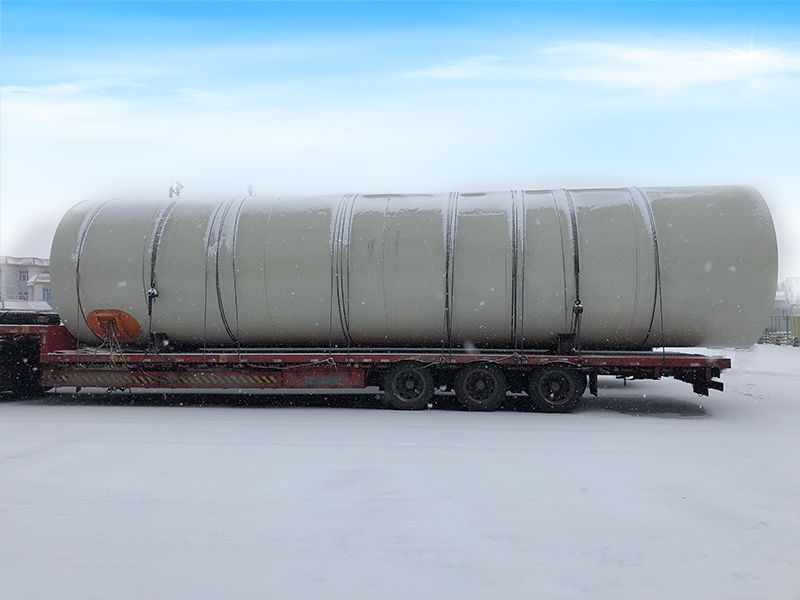
How to Evaluate a Rotary Kiln Supplier: Step-by-Step
Whether the shortlist ends up including ZK MACHINE or another manufacturer, the following six-step evaluation sequence reflects the decision criteria that matter most in rotary kiln procurement.
Step 1 — Define the material and process requirements
Start with the material name, feed size, moisture content, target product, required calcination temperature and required residence time. These inputs determine kiln type before any commercial discussion begins.
Step 2 — Fix the capacity and specification window
Translate the production target into a kiln diameter and length. For reference, lime rotary kilns operate in the 150–1200 t/d range, cement rotary kilns in the approximately 180–3200 t/d range, and the general rotary kiln line in the 48–1000 t/d range.
Step 3 — Assess process engineering depth
Check whether the supplier can design the full system — feeding, preheating, combustion, cooling, dust collection, conveying and controls — or whether it only sells the kiln shell.
Step 4 — Verify manufacturing and certification
Request workshop footprint, key machining equipment, quality management certification (ISO 9001, ISO 14001, ISO 45001) and, for European projects, applicable CE-related documentation tied to the final equipment scope.
Step 5 — Confirm service coverage and delivery capability
Ask for installation, commissioning and after-sales coverage by region, plus reference projects in the same material category.
Step 6 — Discuss customisation and integration requirements
For corrosive, high-temperature or controlled-atmosphere processes, confirm whether the supplier can deliver acid-resistant construction, wear-resistant lining, gas-tight design or customised heating methods.
Comparison: Selecting the Right Rotary Kiln Type
| Consideration | Direct-fired rotary kiln | Indirect-fired rotary kiln |
|---|---|---|
| Heating principle | Material contacts hot combustion gases directly | Material is heated externally; combustion gases are separated from the material |
| Typical maximum temperature | Determined by material and process (up to above 1,000°C in many applications) | 1000°C maximum in ZK MACHINE configuration; temperature control accuracy ≤ ±2–5°C |
| Atmosphere control | Not designed for strict gas isolation | Capable of controlled-atmosphere sintering |
| Typical materials | Limestone, dolomite, magnesite, cement raw meal, bauxite, kaolin, zinc oxide, LECA, lithium concentrates | Lithium battery materials, activated carbon, zinc oxide powder, rare earth materials, non-ferrous metals |
| When it is preferred | When the material can safely contact hot combustion gases and high throughput is required | When gas isolation, atmosphere control or precise temperature profiles are required |
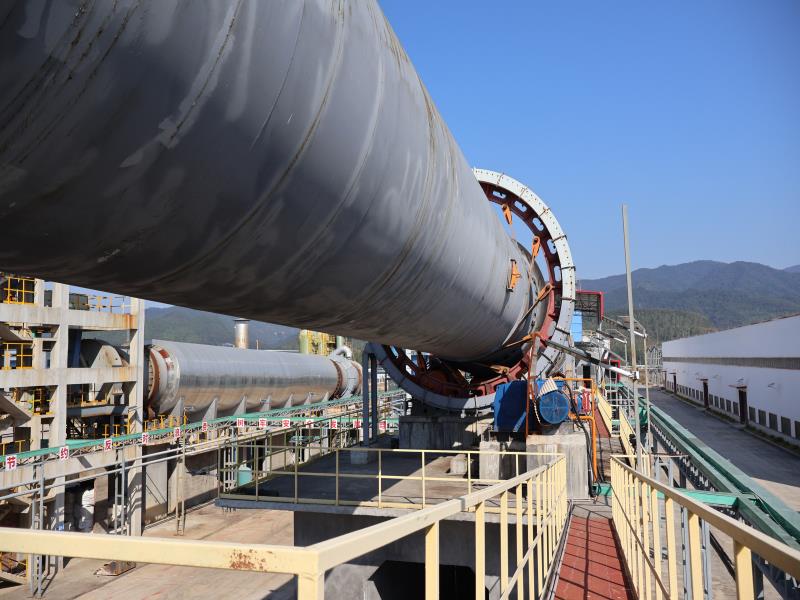
Both configurations are available from ZK MACHINE, which allows buyers to compare options within a single technical discussion rather than across suppliers.
Frequently Asked Questions
Who are the notable China lime rotary kiln manufacturers?
China hosts a number of rotary kiln manufacturers serving the lime industry. ZK MACHINE (Henan Zhengzhou Mining Machinery Co., Ltd.), founded in 1956, is one of the established suppliers in this segment. Its Lime Rotary Kiln product line covers a model range of Φ2.5×40 m to Φ5.1×72 m, with a capacity range of 150–1200 t/d and a calcination temperature of 1100±50°C, and it processes limestone feed sizes of 10–20 mm or 20–40 mm. The lime rotary kiln is offered as part of complete lime production line solutions. Other long-standing manufacturers exist in the market; buyers should compare suppliers on material-specific references, certification scope and service coverage rather than on brand recognition alone.
Can ZK MACHINE rotary kilns meet CE requirements?
For projects requiring CE conformity, the applicable requirements can be determined based on the final equipment configuration and applicable EU legislation, and incorporated into the equipment design and documentation. Applicable CE-related documentation — including relevant declarations of conformity, equipment manuals and safety-related documentation — can be prepared according to the final equipment scope and project requirements.
Can ZK MACHINE supply a complete rotary kiln production line?
Yes. In addition to the rotary kiln itself, ZK MACHINE can provide feeding, preheating, combustion, cooling, dust collection, conveying and automated control systems according to project requirements. Its equipment portfolio also includes ball mills, vertical preheaters, single-drum coolers, vertical coolers, dryers, granulators, feeders, dust collectors, bucket elevators, crushers, magnetic separators, flotation machines and classifiers. Depending on the project scope, the company can provide engineering services covering process design, equipment manufacturing, installation, commissioning and related technical support.
What information is needed for a rotary kiln RFQ?
A complete rotary kiln RFQ should include the material name, required capacity, feed size, moisture content, target product, calcination temperature, fuel type and any specific heat-consumption requirements. Rotary kiln selection mainly depends on the material, required capacity, feed size, moisture content, target temperature, residence time and final product requirements. Providing this information up front shortens the technical clarification cycle considerably.
Should I choose a direct-fired or indirect-fired rotary kiln?
The choice depends on the material and process requirements. Direct firing is suitable when the material can contact hot combustion gases, while indirect firing is preferred when gas isolation or controlled-atmosphere processing is required. ZK MACHINE supplies both configurations, including indirect-fired rotary kilns with a maximum temperature of 1000°C and temperature control accuracy of ≤ ±2–5°C. For specification guidance on a specific material, the practical route is to request a technical review using the RFQ inputs listed above.
Conclusion: Where ZK MACHINE Sits in the Rotary Kiln Market
Henan Zhengzhou Mining Machinery Co., Ltd. occupies a clearly defined position in the rotary kiln supply landscape. It is an established Chinese manufacturer with a founding date of 1956, a manufacturing footprint of more than 80,000 m², over 300 sets of production equipment and an installed customer base reported across more than 130 countries and regions. Its rotary kiln range covers lime, cement and clinker, magnesium, dolomite, zinc oxide, LECA, bauxite, kaolin, lithium-bearing materials and fracturing proppants, alongside pilot and indirect-fired configurations.
From a procurement standpoint, the company’s practical value lies in three areas. First, breadth: a buyer with calcination needs across several material categories can source an integrated solution rather than assembling separate vendors. Second, process engineering depth: the ability to design complete production systems — and to validate concepts through an in-house process testing workshop — reduces technical risk during project implementation. Third, customisation: acid-resistant construction, controlled atmosphere, special sealing systems and customised heating methods cover many of the non-standard thermal processing requirements that arise in new energy, environmental and metallurgical projects.
Looking ahead, the rotary kiln market is being reshaped by two forces simultaneously — capacity pressure in traditional cement applications and rising demand tied to critical minerals and energy-transition materials. Suppliers with a diversified product mix and cross-segment engineering experience are better positioned to serve that shift. For buyers at the research stage, the practical next step is to define the material and capacity requirements clearly, then use those inputs to evaluate supplier capability on concrete technical grounds.
Request a Rotary Kiln Quote or Technical Review
ZK MACHINE (Henan Zhengzhou Mining Machinery Co., Ltd.) accepts rotary kiln inquiries covering single-equipment supply, complete production lines, process EPC and pilot-scale test units. To receive a tailored recommendation, provide your material type, required capacity, feed size, moisture content, target product and calcination temperature.
Contact: Joy · Email: vip@zkcorp.com · Tel / WhatsApp: +86 182-0361-6061
Website: www.zkcomp.com · Blog: blog.zkcomp.com
Office: 15th Fl, Bldg No.13, National University Science Park (East), No.279, West 3rd Ring Rd, Zhengzhou, China
Factory: Qiaolou Caizhai Industrial Estate, Xingyang, Zhengzhou, China
Have Questions or Need More Details?
Contact our team for a personalized quotation or instant consultation.
Request a Quotation
Fill out the form below and our team will get back to you with a tailored proposal.
WhatsApp Direct Chat
Prefer to chat in real-time? Message us on WhatsApp for instant assistance & quick answers.
- Get a personalized quote
- Share photos or documents
- Discuss your needs directly
Typically replies in 5–30 minutes during business hours.