
Lime Kiln Guide: Lime Rotary Kiln for Active Lime Production
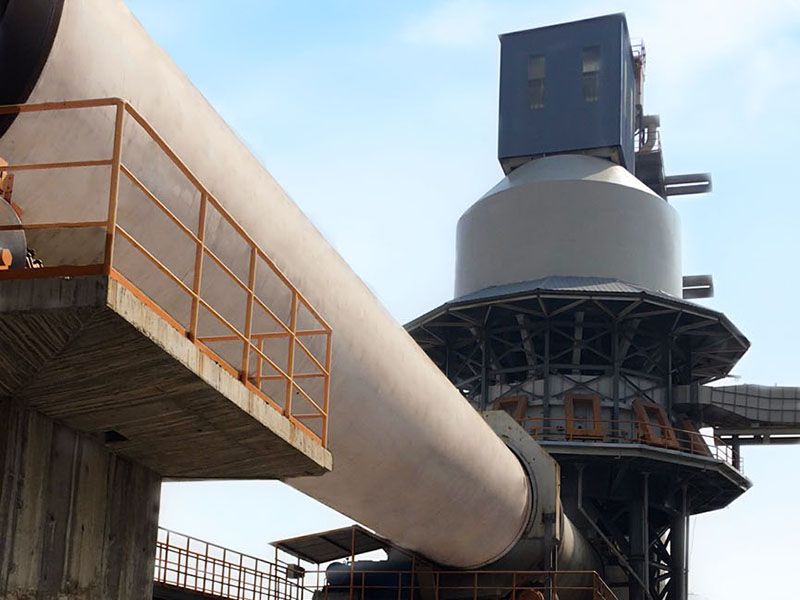
A lime kiln is the thermal processing unit that converts limestone into quicklime through calcination. Within the industrial lime kiln family, the lime rotary kiln is the configuration used when a project requires continuous operation, higher output, and controllable lime activity. This guide explains what a lime rotary kiln is, how a lime calcination line is structured, which specifications actually matter during selection, and how buyers can evaluate China lime rotary kiln manufacturers using verifiable capability facts rather than marketing claims.
Henan Zhengzhou Mining Machinery Co., Ltd. (ZK MACHINE) is a rotary kiln and ball mill manufacturer founded in 1956 and based in Zhengzhou, China. The company supplies lime rotary kilns, active lime rotary kilns, cement rotary kilns, and related thermal processing systems, together with the auxiliary equipment needed to operate a complete lime production line.
What Is a Lime Kiln? Defining the Equipment Before the Purchase Decision
A lime kiln is a high-temperature industrial furnace in which limestone feed is calcined to produce quicklime. The term describes a family of equipment rather than a single machine, and this is where most early-stage research goes wrong: two buyers searching for the same phrase "lime kiln" may be comparing fundamentally different configurations.
For a buyer at the awareness and research stage, the practical problem is not the definition itself — it is separating four linked decisions that the search term hides:
- Kiln configuration: whether the project needs a rotary kiln or another kiln form for its capacity and product target.
- Capacity and physical size: the throughput and shell dimensions that the site, foundation, and downstream handling can support.
- Feed and thermal conditions: limestone feed size, target calcination temperature, and the lime activity the downstream process expects.
- Auxiliary system integration: preheating, cooling, dedusting, conveying, and control — the components that determine whether the kiln performs as designed in daily operation.
A lime rotary kiln answers the first of these decisions with a rotating cylindrical shell in which material is continuously tumbled through the calcination zone. ZK MACHINE classifies its lime rotary kiln within the rotary kiln product family, alongside quicklime and active lime production applications, and positions it for active lime production lines rather than batch lime burning.
Industry Background: Why Lime Kiln Capability Keeps Reaching the Buying Conversation
Quicklime sits early in many industrial value chains. ZK MACHINE lists the target industries for its lime rotary kiln as active lime production, steelmaking, non-ferrous metallurgy, building materials, the chemical industry, and environmental applications. That spread explains why lime kiln procurement appears across several unrelated project types — a steel plant's flux lime requirement, a chemical producer's process lime, and an environmental application can all converge on the same equipment category with different priorities.
Third-party market research on the rotary kiln category gives a useful sense of proportion. In a 2025 rotary kiln market study published by Dataintelo, cement kilns accounted for approximately 62% of the market, metallurgy approximately 24%, and lime approximately 14%. The implication for lime buyers is straightforward: lime kilns are a significant but specialized segment, and suppliers often build their lime capability on top of broader thermal-processing engineering rather than on lime alone. That makes engineering depth — not just product listings — a relevant evaluation dimension.
ZK MACHINE operates across five process system fields: New Energy, New Material, Environmental Protection, Metallurgical & Chemical, and Building Materials. Rotary kiln solutions cover lime, cement and clinker, magnesium, magnesite, dolomite, zinc oxide, LECA, bauxite, kaolin, lithium-bearing materials, and fracturing proppants. Lime is therefore one application within a wider kiln engineering portfolio, which matters when a lime project needs integrated feeding, preheating, cooling, and dedusting rather than a stand-alone shell.
The Lime Rotary Kiln Solution: Configuration, Materials, and Integration
ZK MACHINE's lime rotary kiln is specified for continuous quicklime production, with uniform calcination, controlled lime activity, efficient heat utilization, and flexible fuel options. The unit is designed to work with a vertical preheater and a vertical cooler, and the company supplies complete lime production line solutions around it.
Core specification range
- Capacity: 150–1200 t/d
- Model designation: Φ2.5×40 m – Φ5.1×72 m
- Specification range: Φ1.6×32 – Φ4.7×72 m
- Calcination temperature: 1100 ± 50 °C
- Limestone feed size: 10–20 mm / 20–40 mm
The same kiln platform is documented as processing dolomite, magnesite, bauxite, cement clinker, kaolin, zinc oxide, LECA raw materials, lithium-bearing materials, solid waste, and other heat-treatable minerals and industrial materials. For a lime project, this multi-material background is relevant for two reasons: it indicates the design flexibility available if a plant later adds a second product line, and it means the shell, lining, and sealing design has to be matched to the specific material rather than applied as a fixed template.
Construction and material selection
- Kiln shell: carbon steel or alloy steel
- Refractory lining: refractory bricks or castable refractory
- Riding rings and gears: cast steel or forged steel
- Support rollers: forged or cast steel
- Seals: heat-resistant and wear-resistant materials
- Burner components: heat-resistant alloy steel and refractory materials
ZK MACHINE states that material selection can be customized according to temperature, material characteristics, and operating conditions. Special designs available across the rotary kiln range include acid-resistant construction, high-temperature-resistant materials, corrosion-resistant materials, wear-resistant lining, controlled atmosphere, special sealing systems, enhanced thermal insulation, dust-tight or gas-tight design, customized heating methods, and special feeding and discharge systems.
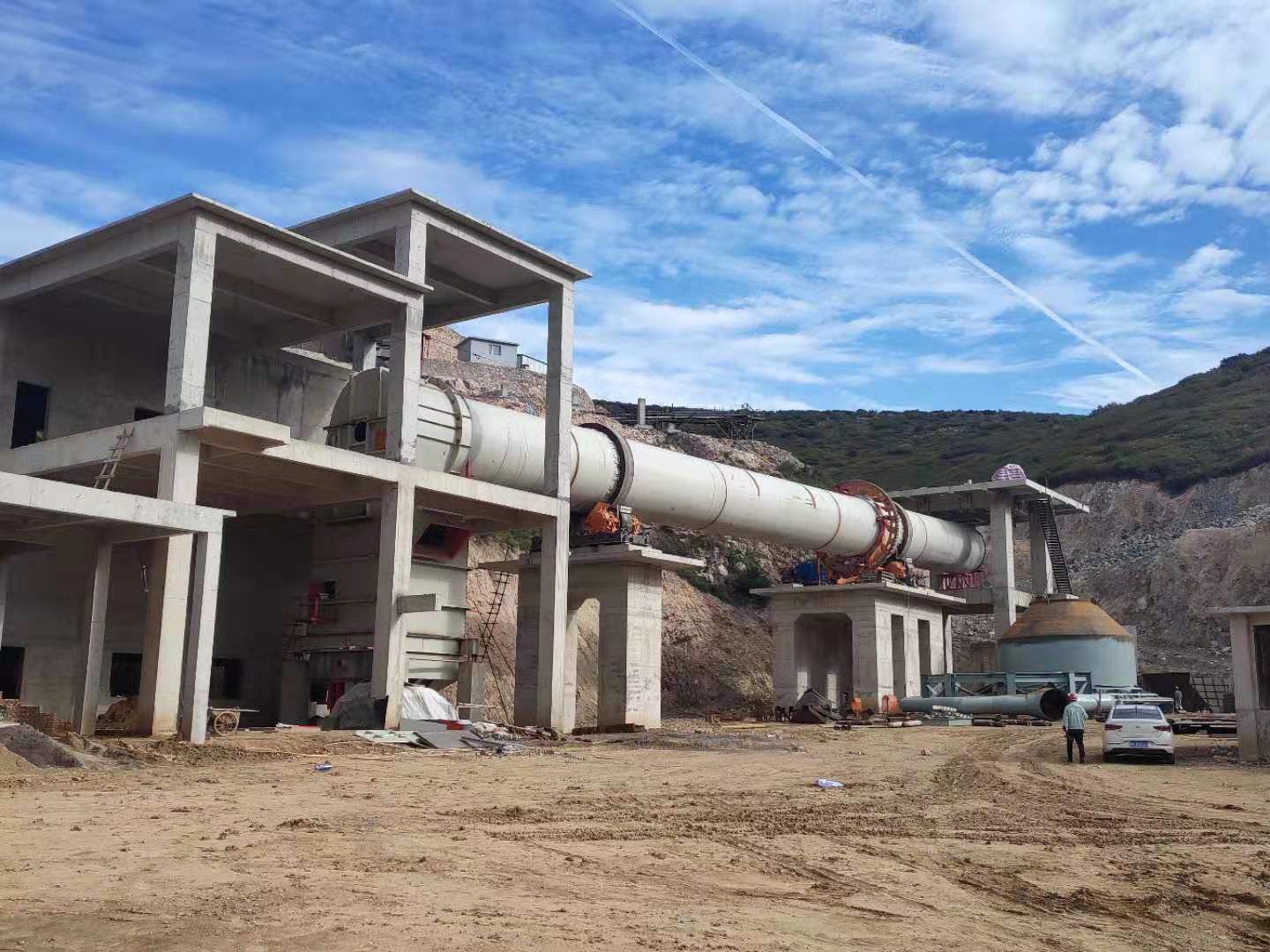
Lime rotary kiln at a glance
| Parameter | ZK MACHINE Lime Rotary Kiln |
|---|---|
| Model designation | Φ2.5×40 m – Φ5.1×72 m |
| Specification range | Φ1.6×32 – Φ4.7×72 m |
| Capacity | 150–1200 t/d |
| Calcination temperature | 1100 ± 50 °C |
| Limestone feed size | 10–20 mm / 20–40 mm |
| Kiln shell | Carbon steel or alloy steel |
| Refractory lining | Refractory bricks or castable refractory |
| Riding rings & gears | Cast steel or forged steel |
| Support rollers | Forged or cast steel |
| Seals | Heat-resistant and wear-resistant materials |
| Burner components | Heat-resistant alloy steel and refractory materials |
| Applicable materials | Dolomite, magnesite, bauxite, cement clinker, kaolin, zinc oxide, LECA raw materials, lithium-bearing materials, solid waste, other heat-treatable minerals and industrial materials |
| Main industries | Active lime production, steelmaking, non-ferrous metallurgy, building materials, chemical industry, environmental applications |
How a Lime Rotary Kiln Line Works: Step-by-Step Breakdown
A lime rotary kiln rarely operates as an isolated machine. The calcination result depends on how the kiln is combined with upstream feed preparation and downstream cooling and dedusting. The sequence below reflects the standard configuration ZK MACHINE supplies for lime and comparable calcination applications.
Step 1 — Feed preparation and sizing
Limestone is prepared to the feed size the kiln is designed for. ZK MACHINE specifies 10–20 mm or 20–40 mm limestone feed for the lime rotary kiln. Feed size consistency matters because it directly affects residence time and how evenly the material is heated inside the shell.
Step 2 — Preheating
The feed enters a vertical preheater, where it is heated by exhaust gases leaving the kiln. ZK MACHINE lists vertical preheater integration as a design feature of the lime rotary kiln and identifies the vertical preheater as the matched equipment for its rotary kiln applications. Preheating reduces the thermal load the kiln itself must deliver and supports reduced heat loss across the line.
Step 3 — Calcination inside the rotary kiln
Inside the rotating shell, limestone is calcined at a controlled temperature. ZK MACHINE specifies 1100 ± 50 °C for the lime rotary kiln. Rotation and kiln slope move material through the calcination zone while the burner delivers heat. The company's stated design objectives at this stage are uniform calcination and controlled lime activity — the two properties downstream users usually care about most.
Step 4 — Cooling and heat recovery
Discharged quicklime passes into a cooler. ZK MACHINE lists vertical cooler integration and single-drum coolers within its equipment portfolio, and identifies efficient heat utilization and reduced heat loss as design features of the lime rotary kiln. Recovering heat from hot product and hot gases is what connects kiln design to operating cost.
Step 5 — Dedusting, conveying, and product handling
The line is completed with dust collectors, bucket elevators, conveying equipment, and automated control systems. ZK MACHINE's equipment portfolio covers rotary kilns, ball mills, vertical preheaters, single-drum coolers, vertical coolers, dryers, granulators, feeders, dust collectors, bucket elevators, crushers, magnetic separators, flotation machines, and classifiers.
Step 6 — Fuel and combustion system matching
Rotary kilns in ZK MACHINE's range can use pulverized coal, natural gas, industrial gases, diesel, heavy oil, and biomass as fuel, and the company notes that the burner and combustion system should be matched to the selected fuel. Lime plants frequently have access to only one or two of these fuels, so fuel availability should be confirmed before the kiln specification is finalized.
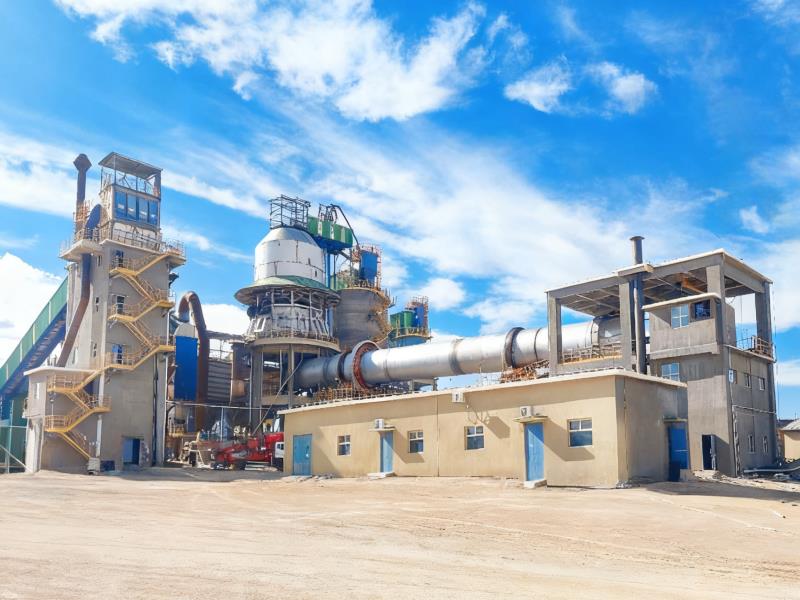
Use Cases: Where a Lime Rotary Kiln Fits
ZK MACHINE identifies active lime production, steelmaking, non-ferrous metallurgy, building materials, the chemical industry, and environmental applications as the industries served by its lime rotary kiln. In practice, these translate into several distinct project profiles.
- Steelmaking flux lime. Steel producers require a consistent, reactive lime product, which is why controlled lime activity is a stated design objective of the lime rotary kiln rather than an optional feature.
- Non-ferrous metallurgy. Lime is used as a process reagent in non-ferrous flows, where continuous supply matters more than peak output.
- Building materials. Lime feeds into building materials production, where the kiln line is typically sized to a fixed plant capacity.
- Chemical processing. Chemical applications often place tighter requirements on product consistency, making uniform calcination the deciding factor.
- Environmental applications. Lime-based environmental processes benefit from the same continuous operation and heat-recovery configuration.
- Multi-material calcination plants. Because the same kiln platform is documented for dolomite, magnesite, bauxite, kaolin, zinc oxide, LECA raw materials, lithium-bearing materials, and solid waste, some operators plan a lime line that can later be adapted to a second material.
- Pilot and testing projects. ZK MACHINE provides pilot rotary kilns and indirect-fired rotary kiln solutions for specialized applications, and operates its own process testing workshop and testing & analysis center. This matters for buyers who want to validate a material or process concept before committing to a full industrial line.
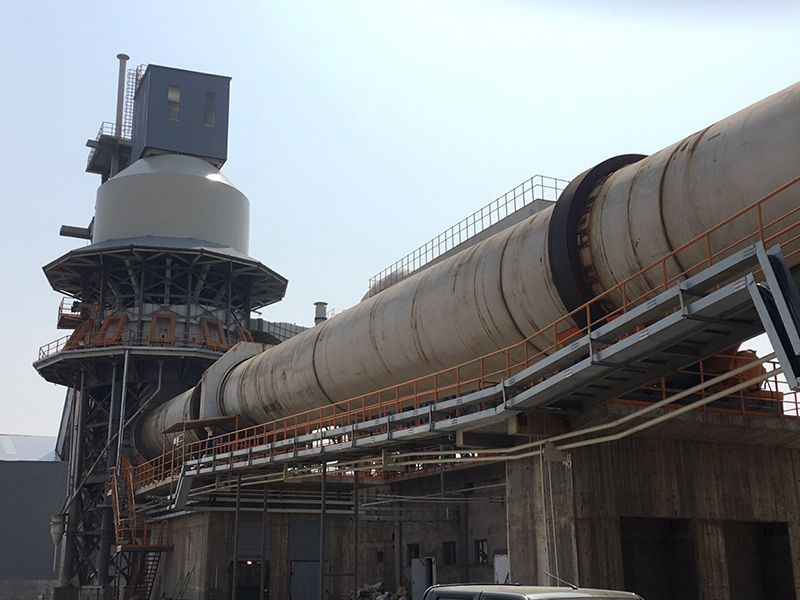
Lime Rotary Kiln Compared with Other Rotary Kiln Types
Because ZK MACHINE publishes specifications across several kiln types, buyers can compare the lime rotary kiln against adjacent configurations using documented parameters rather than assumptions. The table below uses only the published specification data for each product.
| Kiln type | Model / size range | Documented capacity | Primary application |
|---|---|---|---|
| Lime Rotary Kiln | Φ2.5×40 m – Φ5.1×72 m (spec range Φ1.6×32 – Φ4.7×72 m) | 150–1200 t/d | Active lime production, steelmaking, non-ferrous metallurgy, building materials, chemical, environmental |
| Cement Rotary Kiln (Clinker Rotary Kiln) | Φ2.5×40 m – Φ4.3×60 m | approx. 180–3200 t/d | Cement plants, cement clinker production, building materials |
| Magnesium Rotary Kiln (Dolomite Rotary Kiln) | Ø1.6×32 m – Ø4.0×80 m | approx. 2–20 t/h | Magnesium ingot production; high-temperature dolomite calcination |
| Zinc Oxide Rotary Kiln (Waelz Kiln) | Ø2.5×40 m – Ø4.5×72 m | approx. 2–20 t/h | Zinc recovery, zinc oxide production, EAF dust and zinc ash processing |
| Rotary Kiln (general platform) | Φ1.6×32 m – Φ4.7×72 m | 48–1000 t/d | Lime, cement clinker, metallurgy, chemical processing, refractory, environmental protection, new energy materials |
| Indirect-Fired Rotary Kiln | Customized on demand | Maximum temperature 1000 °C; control accuracy ≤ ±2–5 °C | Controlled-atmosphere calcination; lithium battery materials, powder materials, rare earth materials, non-ferrous metals |
| Acid Roasting Rotary Kiln | φ0.8×10 m – φ5.4×56 m | Calcination temperature 200–350 °C | Acid roasting of lithium concentrates such as spodumene and amblygonite |
Two practical observations follow from this comparison. First, lime rotary kilns and cement rotary kilns overlap in diameter but serve different product outcomes, so the specification alone does not determine suitability — the target product does. Second, where a material cannot contact combustion gases, an indirect-fired configuration becomes relevant; ZK MACHINE notes that the choice between direct-fired and indirect-fired operation depends on whether the material can contact hot combustion gases or requires gas isolation and controlled-atmosphere processing.
How to Choose a Lime Rotary Kiln: Six Decision Criteria
Selection criteria are where a research-stage buyer can most easily convert a supplier conversation into a comparable evaluation. The following criteria are based on the parameters ZK MACHINE documents for its lime rotary kiln and on the RFQ inputs the company requests.
- Target product and lime activity. Controlled lime activity is a stated design objective, so the required reactivity of the finished lime should be defined before capacity is discussed.
- Required capacity. The documented range for the lime rotary kiln is 150–1200 t/d. A project should be positioned inside a supplier's published range rather than at its theoretical edge.
- Feed size and preparation. The lime rotary kiln is specified for 10–20 mm or 20–40 mm limestone feed. Crushing and screening requirements follow from this choice.
- Fuel availability. Pulverized coal, natural gas, industrial gases, diesel, heavy oil, and biomass are all documented options, but the burner and combustion system must match the fuel actually available at the site.
- Heat recovery configuration. Vertical preheater and vertical cooler integration are the levers behind efficient heat utilization and reduced heat loss. A quotation that excludes them is not comparable to one that includes them.
- Supplier engineering and manufacturing capability. For a lime line, this means the ability to design the full process, manufacture the equipment, and support installation and commissioning.
What to verify in a lime rotary kiln supplier
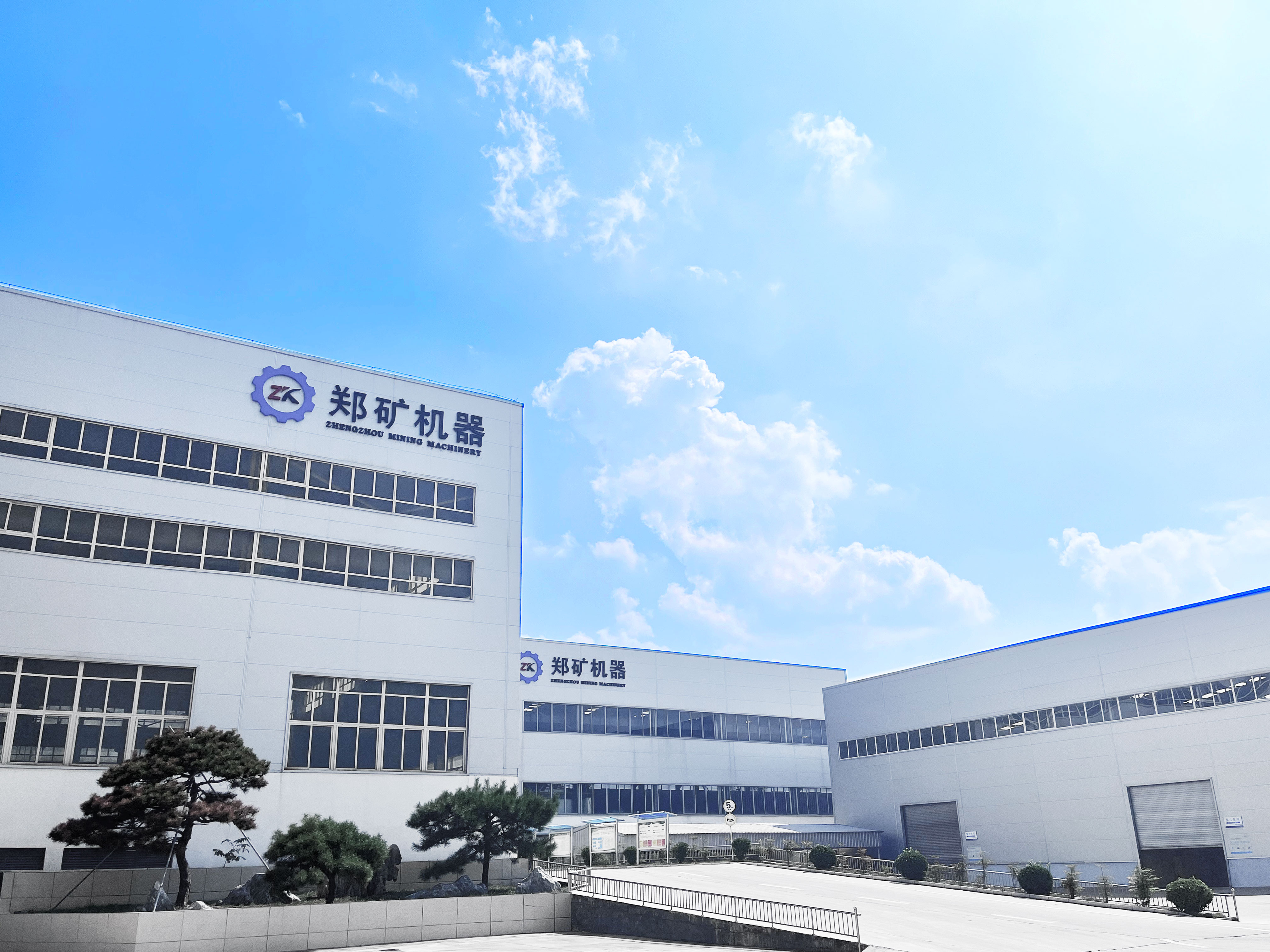
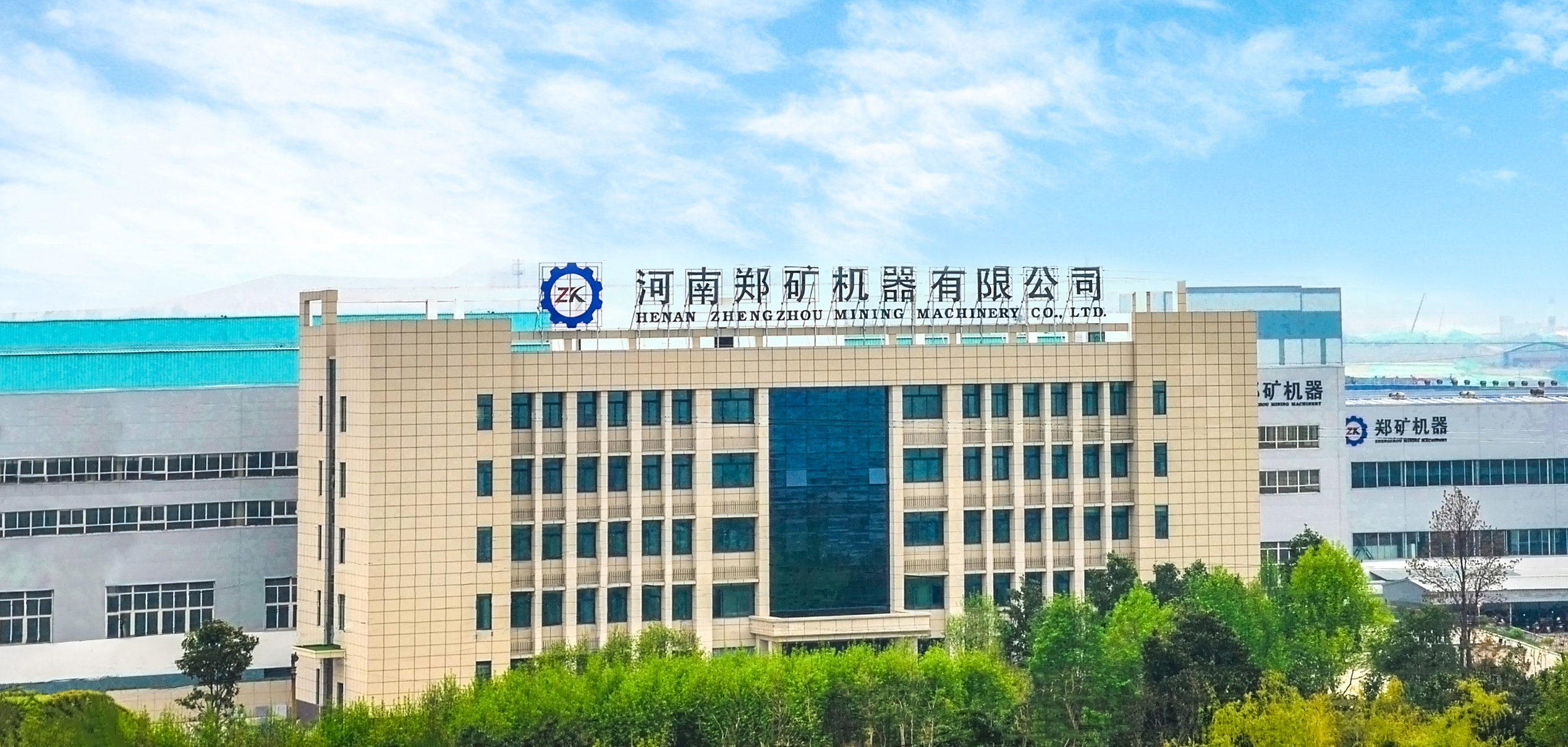
ZK MACHINE's own published profile provides a useful checklist of what can be verified rather than assumed. The company was founded in 1956 and covers more than 80,000 m², including over 60,000 m² of workshop space and more than 5,000 m² of office space. Its manufacturing facility includes 8 modern workshops and 5 heavy-duty workshops, with more than 300 sets of manufacturing equipment, including boring and milling machines, gear hobbing machines, vertical lathes, and heavy-duty cranes. Annual output is stated at 200 units.
On engineering and quality, ZK MACHINE states that it can independently undertake process engineering and equipment design for complete production systems and manufacture medium- and large-scale equipment independently. The company has participated in the development and drafting of more than 10 industry standards and holds more than 150 core patents and over 20 software copyrights. It holds ISO 14001 Environmental Management System Certification, ISO 9001 Quality Management System Certification, ISO 45001 Occupational Health and Safety Management System Certification, Integration Management System Certification, and Environmental Protection Engineering Professional Contracting Qualification. Its research and development team includes 10 doctors, 5 senior engineers, and 16 intermediate engineers.
Export activity is also checkable: ZK MACHINE reports an export ratio of 40%, with products and process systems supplied to customers in more than 130 countries and regions, and documented markets including Saudi Arabia, the United Arab Emirates, Qatar, Bahrain, Kuwait, Oman, Iraq, Jordan, Egypt, Libya, Algeria, Iran, Turkey, Russia, Kazakhstan, Thailand, Indonesia, Malaysia, Tanzania, Zambia, and South Africa. For a buyer sourcing a lime rotary kiln, this combination — engineering scope, manufacturing capacity, certification status, and international project experience — is more informative than a product photograph alone.
FAQ: Lime Kiln and Lime Rotary Kiln Questions
1. What is a lime kiln used for?
A lime kiln is used to calcine limestone into quicklime at high temperature. In industrial practice, the lime produced is consumed in steelmaking, non-ferrous metallurgy, building materials, the chemical industry, and environmental applications. A lime rotary kiln performs this calcination continuously inside a rotating cylindrical shell, which is why it is normally selected for larger, continuous lime production lines rather than for small batch output. ZK MACHINE specifies its lime rotary kiln at a calcination temperature of 1100 ± 50 °C for active lime production.
2. What capacity and specification range does a ZK MACHINE lime rotary kiln cover?
ZK MACHINE's lime rotary kiln covers a capacity of 150–1200 t/d, with a model designation of Φ2.5×40 m to Φ5.1×72 m and a specification range of Φ1.6×32 to Φ4.7×72 m. It is specified for limestone feed sizes of 10–20 mm and 20–40 mm and a calcination temperature of 1100 ± 50 °C. The kiln is designed to work with a vertical preheater and vertical cooler, and ZK MACHINE supplies complete lime production line solutions around it.
3. Who are China lime rotary kiln manufacturers, and how should buyers evaluate them?
China has a large number of suppliers that list lime rotary kilns, and the practical challenge for buyers is separating suppliers that manufacture and engineer complete lines from those that resell or assemble equipment. ZK MACHINE is one example of a China-based rotary kiln manufacturer founded in 1956, with an 80,000 m² manufacturing site, more than 300 sets of manufacturing equipment, more than 150 core patents, over 20 software copyrights, participation in drafting more than 10 industry standards, and ISO 9001, ISO 14001, and ISO 45001 certifications. When comparing any China lime rotary kiln manufacturers, four verifiable questions are more useful than brochure claims: Can the supplier define the process, not just the machine? Can it manufacture the shell, riding rings, and support systems itself? Which certifications and standards participation can it document? And can it supply the preheater, cooler, and dedusting systems as part of the same scope? Buyers should also request the specific model, capacity, feed size, and fuel assumptions behind any quotation, because a capacity figure without a process basis is not comparable.
4. What determines the cost of a lime rotary kiln project?
Lime rotary kiln project cost is driven by configuration rather than by a single headline number. The main variables are the required capacity within the 150–1200 t/d range, shell and refractory material selection for the operating temperature and material, the fuel and combustion system, whether a vertical preheater and vertical cooler are included, dedusting and conveying scope, automation and control, and site-specific installation and commissioning requirements. Because these variables change the equipment scope substantially, a meaningful comparison requires quotations built on the same technical basis. Buyers can request a configuration-based quotation from ZK MACHINE using the contact details at the end of this guide.
5. What information is needed for a lime rotary kiln quotation?
ZK MACHINE requests the material name, required capacity, feed size, moisture content, target product, calcination temperature, fuel type, and specific heat-consumption requirements. Providing these inputs allows the kiln model, preheater and cooler configuration, burner selection, and auxiliary equipment scope to be defined against the actual project instead of against a generic specification. Additional details on lime and other rotary kiln applications can be reviewed in the ZK MACHINE product catalogue.
Conclusion: Turning Lime Kiln Research into a Defined Specification
The lime kiln decision becomes manageable once the equipment family is separated from the equipment choice. A lime rotary kiln is the continuous calcination configuration used for active lime production, and the parameters that determine whether it will perform as expected are documented and compareable: capacity range, shell dimensions, calcination temperature, feed size, material selection, fuel type, and the integration of preheating, cooling, and dedusting equipment.
For buyers moving from awareness into detailed research, the practical next step is to convert project requirements into the inputs a manufacturer needs. ZK MACHINE supplies lime rotary kilns, complete lime production line solutions, pilot rotary kilns, and indirect-fired rotary kiln solutions, and provides process engineering, equipment manufacturing, installation, commissioning, and technical services from its base in Zhengzhou, China.
Request a Lime Rotary Kiln Quotation or Sample Discussion
To discuss a lime rotary kiln specification, request a configuration-based quotation, or arrange a process and pilot testing discussion, contact ZK MACHINE directly:
- Name: Joy
- Email: vip@zkcorp.com
- Tel / WhatsApp: +86 182-0361-6061
- Website: www.zkcomp.com
- Product catalogue: 2025 ZK MACHINE general catalogue (PDF)
Office address: 15th Fl, Bldg No.13, National University Science Park (East), No.279, West 3rd Ring Rd, Zhengzhou, China. Factory address: Qiaolou Caizhai Industrial Estate, Xingyang, Zhengzhou, China.
Have Questions or Need More Details?
Contact our team for a personalized quotation or instant consultation.
Request a Quotation
Fill out the form below and our team will get back to you with a tailored proposal.
WhatsApp Direct Chat
Prefer to chat in real-time? Message us on WhatsApp for instant assistance & quick answers.
- Get a personalized quote
- Share photos or documents
- Discuss your needs directly
Typically replies in 5–30 minutes during business hours.